
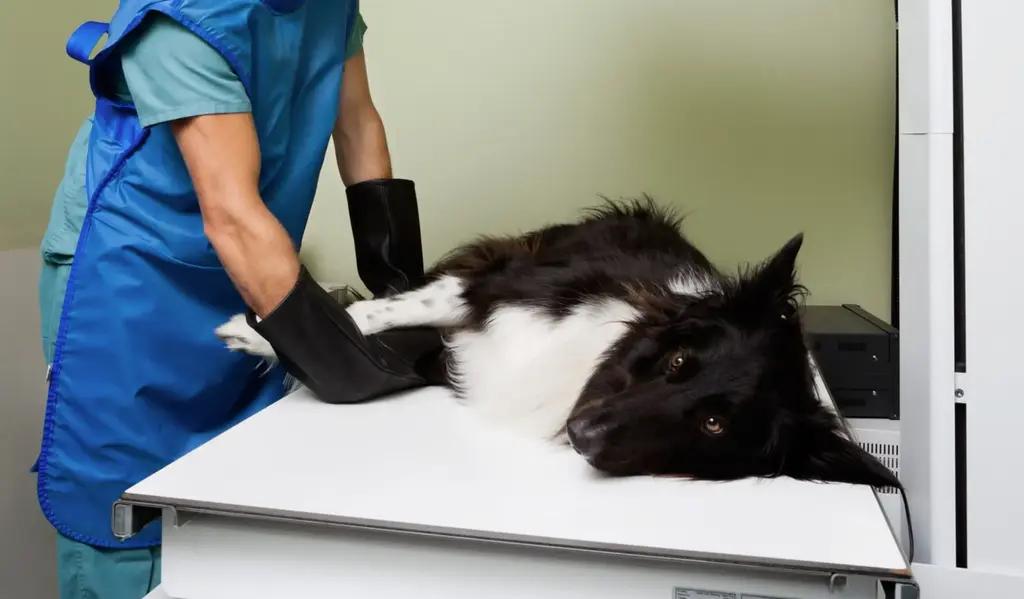
Errors in Radiology: The Question Isn’t Whether They Happen. It’s How We Reduce Them
Nobody likes talking about errors.
But in diagnostic imaging, avoiding the conversation doesn’t make the problem disappear.
The reality is that radiology is a human cognitive process. Every interpretation involves observation, pattern recognition, decision-making, and clinical reasoning.
And humans are not perfect.
In fact, one of the largest veterinary studies comparing imaging findings with necropsy results found a radiologic error rate of 4.6%, remarkably similar to the 3–5% reported in human radiology. More importantly, researchers found that many discrepancies were not caused by radiologist mistakes at all, but by limitations in imaging, incomplete information, disease progression, or lesions that simply could not be visualized with the modality used.
This distinction matters.
Because when we talk about “errors,” we often assume negligence. More often, the reality is complexity.
Common Contributors to Diagnostic Errors
Some of the most common contributors include:
- Satisfaction of Search Finding one abnormality and unconsciously stopping the search for additional findings.
- Incomplete Clinical Information A radiologist without a clinical history is interpreting images without context.
- Fatigue and Workload Diagnostic accuracy can be influenced by cognitive overload, particularly during high-volume reporting periods.
- Technical Factors Positioning, motion artefacts, acquisition protocols, and image quality directly affect interpretation.
- Cognitive Biases We all carry them. Framing bias, confirmation bias, and expectation bias can influence how findings are perceived.
How Do We Improve?
At Veheri, we believe excellence comes from systems rather than individual heroics.
- Complete clinical histories
- Structured reporting
- Direct communication between clinicians and specialists
- Access to second opinions
- Continuous education and peer discussion
- Technology that supports quality control
Why Teleradiology Matters
This is one of the reasons teleradiology has become such a powerful tool.
Not because radiologists are expected to be perfect, but because collaboration creates opportunities to identify what any one individual may miss.
The goal is not perfection.
The goal is continuous improvement.
Because every report is ultimately about one thing: giving the patient the most accurate answer possible.
Start today Book your demo
Smarter Teleradiology. Faster Diagnosis. Better Results.