
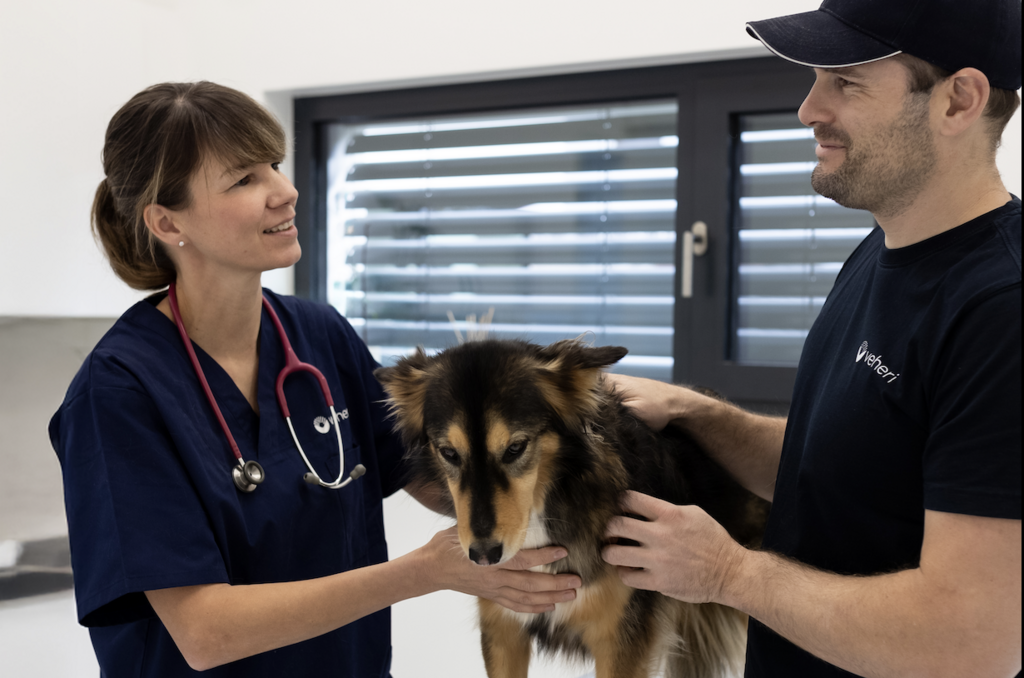
This article celebrates International Veterinary Medicine Day by tracing the evolution of veterinary medicine from its ancient, traditional roots to today’s highly specialized and digital era. It explains the core purpose of modern veterinary practice, highlights how digitization and technologies like digital imaging and telemedicine are transforming clinics, and focuses on the growing role of teleradiology in veterinary medicine.
On December 9th, we celebrate International Veterinary Medicine Day, so we’re diving into how veterinary medicine has evolved over time.Veterinary medicine is one of the oldest healthcare disciplines. Its evolution can be summarized in a few key stages.
- Ancient and traditional beginnings
- Birth of veterinary medicine as a science (18th–19th centuries)
- 20th century: expansion of roles and responsibilities
- 21st century: specialization and technology
On International Veterinary Medicine Day, this journey—from traditional animal healers to digitally connected veterinary experts—is something to celebrate.
Definition and purpose of modern veterinary medicine
Veterinary medicine is the branch of medicine dedicated to the prevention, diagnosis, treatment, and control of diseases in animals. But its mission goes far beyond individual patients.
The main purposes of modern veterinary healthcare include:
- Protecting animal health and welfare
- Ensuring that pets, farm animals, wildlife, and working animals have good quality of life, free from unnecessary pain and suffering.
- Safeguarding public health
- Many pathogens are zoonotic (for example, rabies, leptospirosis, certain parasites and bacteria). Veterinarians are central to the One Health approach, which recognizes that animal, human, and environmental health are interconnected.
- Supporting food safety and production
- In production animals, veterinary professionals help guarantee safe, high-quality food, proper use of medications, and responsible antimicrobial stewardship.
- Driving research and innovation
- Veterinarians contribute to clinical research, pharmaceutical development, and medical device innovation that benefit both animals and humans.
In summary, the purpose of veterinary medicine is holistic: protect animals, protect people, and support society.
Modern veterinary medicine
Modern veterinary medicine is evidence-based, specialized, and client-focused.
- Evidence-based practice
- Specialization and collaboration
- Client education and communication
- Integration of technology
Digitization and technological advances in veterinary medicine
The digital transformation of veterinary practice has accelerated in recent years, reshaping how clinics work and collaborate.
- Digital veterinary imaging
- Telemedicine in veterinary practice
- Practice management software and data
- Artificial intelligence and decision-support tools
- Remote collaboration and education
Digitization has opened the door for teleradiology in veterinary medicine to become a powerful, everyday resource.
Teleradiology and its impact on veterinary medicine
Teleradiology is the remote interpretation of veterinary imaging exams—such as X-rays, CT, MRI, and ultrasound captures—by specialized radiologists using secure digital platforms.
In veterinary medicine, teleradiology has changed how clinics of all sizes approach diagnostic imaging.
How veterinary teleradiology works:
- The clinic acquires images using digital imaging equipment (DR, CR, CT, MRI, or ultrasound).
- The images are uploaded to a secure cloud platform or teleradiology system.
- The veterinarian adds clinical information and the reason for the exam.
- A veterinary radiologist or imaging specialist accesses the case remotely.
- The specialist issues a structured radiology report, including findings and possible diagnoses.
- The attending veterinarian integrates this report with the clinical picture to define treatment and next steps.
Key impacts of teleradiology on veterinary medicine:
- Greater access to specialist expertise
- Even small or rural practices can access experienced veterinary radiologists, without needing an in-house imaging specialist.
- Faster and more informed decision-making
- Many services offer rapid turnaround times, especially for emergency cases, allowing time-critical decisions to be made with greater confidence.
- Improved diagnostic quality
- Specialists can identify subtle radiographic changes, propose differential diagnoses, and highlight areas that may need further investigation.
- Continuous learning for general practitioners
- Reading expert reports and comparing them with images and outcomes becomes an excellent educational resource.
- Operational flexibility
- Clinics can offer high-level imaging services without hiring full-time radiologists, using teleradiology on an on-demand basis.
Digital platforms such as Veheri, designed for veterinary imaging and reporting, help integrate teleradiology smoothly into daily clinical workflows.
Clinical benefits of teleradiology for veterinarians
For practicing veterinarians, teleradiology in veterinary medicine brings clear, practical benefits.
1. Higher diagnostic accuracy
- Access to board-certified or highly experienced veterinary radiologists.
- Detailed interpretation of lesions, patterns, and radiographic changes.
- Extra support for complex or atypical cases where imaging is central to the diagnosis.
Example:
A dog presents with chronic cough. The primary veterinarian suspects bronchitis but is unsure about possible cardiac or neoplastic involvement. With veterinary teleradiology, thoracic radiographs are reviewed by a specialist who identifies a subtle pulmonary pattern compatible with early neoplastic disease. The clinical plan changes and further diagnostics are scheduled promptly.
2. Better case management and diagnostic planning
- Radiology reports frequently include recommendations for additional imaging or tests, such as ultrasound, CT, or specific lab work.
- This helps veterinarians structure diagnostic plans more efficiently.
Example:
In an orthopedic case, the teleradiology report may specify the type of fracture and suggest whether surgical or conservative treatment is more appropriate. This guidance supports both clinical decision-making and communication with the owner.
3. Time optimization and workflow efficiency
- Instead of struggling with difficult interpretations alone, the veterinarian can delegate image analysis to a radiologist and focus on patients and owners.
- The teleradiology platform becomes a central archive for images and reports, simplifying follow-up and comparisons over time.
Example:
In a busy clinic, radiographs are taken throughout the day and sent to a teleradiology service. While reports are being prepared, the team continues consultations. When the report arrives, the veterinarian contacts the owner to discuss the next steps, without disrupting the schedule.
4. Stronger support in emergency and critical care
- In emergencies, rapid interpretation can be the difference between life and death.
- Urgent teleradiology options allow veterinarians to make life-saving decisions with specialist input.
Example:
A cat with severe dyspnea is admitted. Thoracic radiographs are taken and sent for emergency teleradiology review. The radiologist confirms a pattern consistent with congestive heart failure and suggests immediate stabilization measures, helping to guide emergency treatment.
5. Increased professional confidence and client trust
- Owners value knowing that their animal’s images are reviewed by dedicated veterinary imaging specialists.
- The written report supports the veterinarian’s explanations, building confidence and transparency.
By combining clinical examination with remote veterinary radiology, veterinarians can offer a diagnostic standard similar to that of advanced referral centers. Because it combines high-quality diagnostic imaging expertise with flexibility and accessibility. It allows clinics to improve patient care, support their teams, and offer services comparable to advanced referral centers, regardless of their size or location.
Conclusion: celebrating veterinary medicine in the era of teleradiology
On International Veterinary Medicine Day, it is worth looking back at how veterinary medicine has evolved—from empirical treatments in ancient times to a modern, digital, and connected profession.
Today, tools such as teleradiology in veterinary medicine enable any clinic to access specialized diagnostic support, optimize workflows, and deliver better care to patients and clients.
If you want to explore how digital veterinary imaging and teleradiology can support your daily practice, streamline decision-making, and enhance the quality of your services, we invite you to discover how Veheri’s veterinary teleradiology platform can integrate into your routine.
Empower your veterinary practice with digital imaging and teleradiology—discover what a specialized platform like Veheri can do for your patients and your team today.
Smarter Teleradiology. Faster Diagnosis. Better Results Join the Veheri Community!
Start today: Book your DEMO