
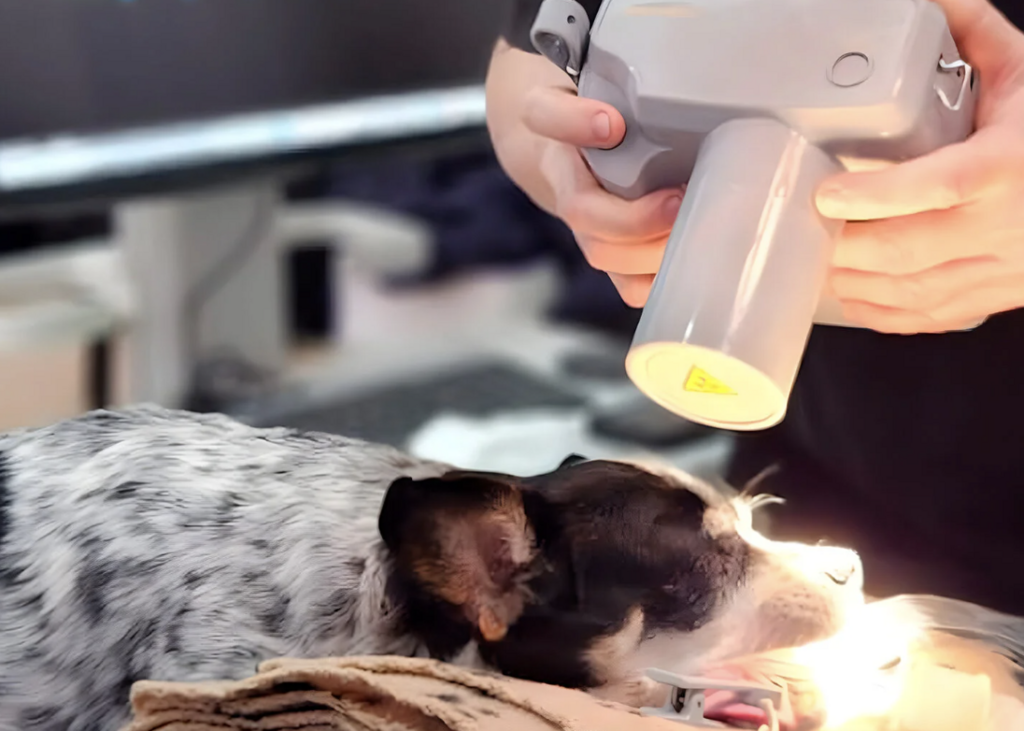
Explore how in-house radiology and teleradiology work together in veterinary medicine. Learn why high-quality clinical history is essential for accurate imaging interpretation and better patient outcomes.
In veterinary medicine, the debate between in-house radiology and teleradiology is often presented as a competition.
But the real goal is much simpler: giving every patient the most accurate interpretation possible.
Benefits and Limitations of In-House Radiology
In-house radiology offers fast communication, immediate decisions, and close collaboration with the clinical team.
However, it can also have limitations:
- Restricted availability Specialist support may not always be available when urgent cases arise.
- Fatigue and workload variability High workloads and changing schedules can influence reporting capacity and consistency.
- Limited subspecialty coverage A single in-house specialist may not cover every imaging modality or clinical subspecialty.
How Teleradiology Extends Clinical Expertise
Teleradiology changes the model by connecting veterinary clinics to:
- Board-certified veterinary specialists
- Subspecialty expertise when needed
- Consistent reporting systems
- Coverage independent of location or schedule
At Veheri, we do not replace clinical teams — we extend them.
Why the Quality of Clinical History Matters
Another key element is often overlooked: the quality of the clinical history.
A radiologist does not simply read images. Radiologists interpret imaging findings within a wider clinical context.
Good clinical information should answer three essential questions:
- What is the owner seeing? Include relevant symptoms such as pain, reduced appetite, coughing, lameness, or behavioural changes.
- What is relevant right now? Focus on the current clinical problem rather than listing every event from the patient’s entire medical history.
- What does the veterinarian want to know? The radiologist needs to understand the clinician’s hypothesis, concern, and clinical suspicion.
The better the clinical question, the more valuable the radiology report becomes.
The Future of Veterinary Imaging
The future of veterinary imaging is not about choosing between in-house radiology and teleradiology.
It is about building systems where expertise, communication, and clinical reasoning work together — regardless of distance.
Start today Book your demo
Smarter Teleradiology. Faster Diagnosis. Better Results.
Imaging guides on this topic
Browse all imaging guides
CT of the canine temporomandibular joint
When CT of the canine temporomandibular joint is indicated, what it shows in fracture, ankylosis, dysplasia and osteoarthritis, and where it falls short.
CT excretory urography for ectopic ureters in dogs
How CT excretory urography compares with ultrasound and cystoscopy for ectopic ureters in dogs, and what the report must state before laser ablation or surgery.
MRI of the canine stifle for cruciate and meniscal injury
How accurately MRI shows cruciate rupture and meniscal tears in dogs, how field strength and implants affect it, and where arthroscopy still matters.