
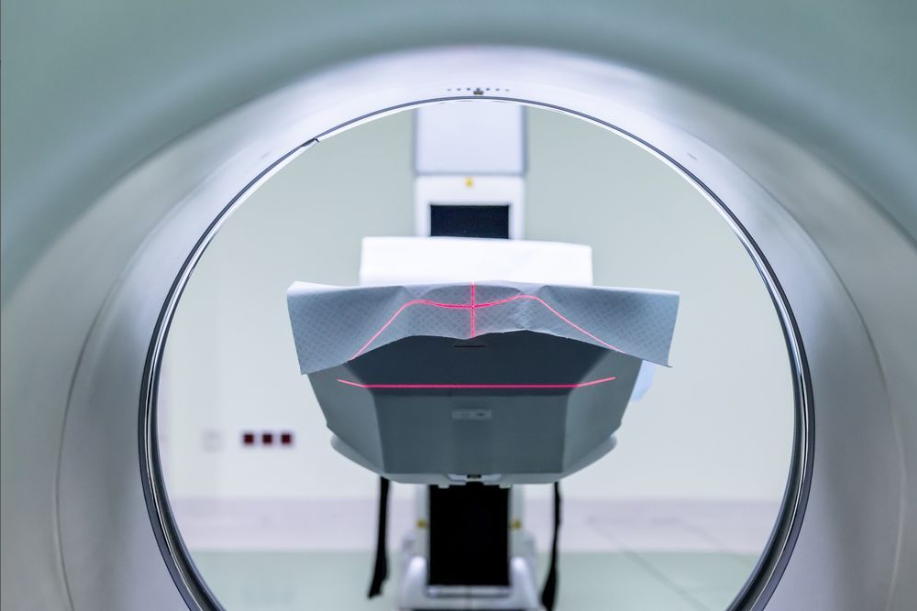
This article explores how computed tomography enhances veterinary diagnostics and treatment. It highlights practical benefits for veterinary practices, including precise imaging, effective therapy planning, improved patient care and new opportunities for clinical growth.
Modern multislice computed tomography (CT) has become an essential tool in veterinary medicine. With its ability to deliver fast and highly accurate imaging, this technology has transformed how veterinarians diagnose and treat patients.
Depending on the clinical indication, CT scans can produce high-resolution images of targeted regions within just a few seconds or minutes. These images provide a detailed and overlap-free view of tissues and organs. Advanced three-dimensional reconstructions further enhance the diagnostic process, giving veterinarians precise insights for accurate case evaluation.
By focusing on specific anatomical areas, veterinary CT scanners allow clear visualisation of regions that are often difficult to assess with conventional methods. This includes complex areas such as the pelvis, nasal passages and the brain.
With this level of diagnostic detail, veterinarians can create more effective treatment plans and perform procedures such as biopsies or surgeries with greater confidence.
Benefits of a Veterinary CT Scanner for Clinics and Practices
- Significant advances in diagnostics and therapeutic planning
- Support for surgical decisions and pre-surgical planning
- Reduction of invasive procedures
- Improved prognostic capabilities, for example through preoperative metastasis screening
- Faster emergency management through immediate imaging results
- Diagnostic confidence enhanced by second opinions from radiologists
- Expansion of service offerings leading to increased patient numbers
- More effective use of veterinary expertise and resources
- Higher client satisfaction and loyalty through advanced care options
- Stronger reputation and competitive advantage in the veterinary field
Today, computed tomography in veterinary medicine is no longer restricted to large referral hospitals. Many practices and clinics are already integrating CT scanners to deliver advanced diagnostic and treatment options.
Investing in a veterinary CT scanner can give your practice or clinic a significant edge. However, careful planning is vital, as choosing the wrong equipment may limit its potential benefits.
Imaging guides on this topic
Browse all imaging guides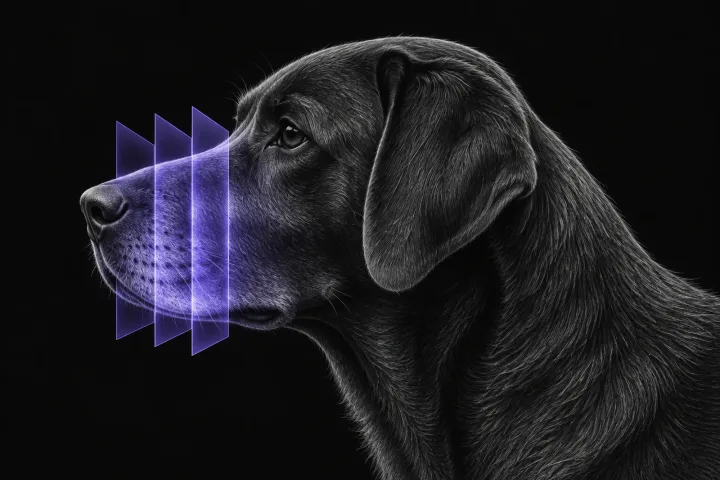
CT staging of oral tumours in dogs
How CT stages canine oral tumours, from bone invasion to the mandibular and medial retropharyngeal nodes, and why node sampling is still needed.
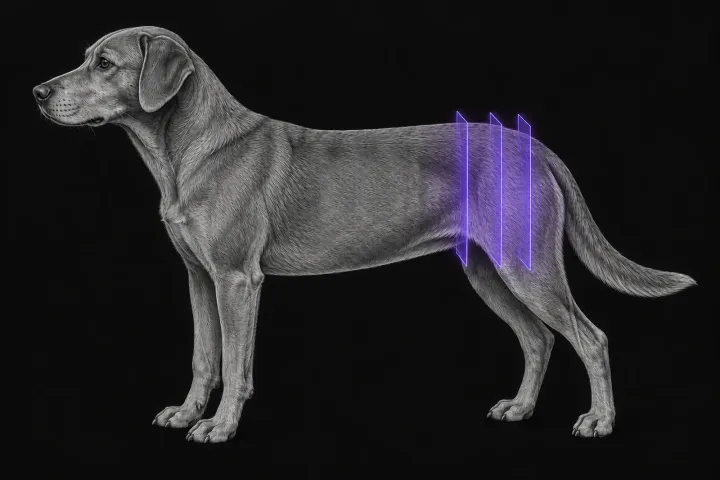
CT of the canine pelvis after trauma
When CT adds to radiographs after canine pelvic trauma, which fractures it finds more reliably, and how to use 2D and 3D images for surgical planning.
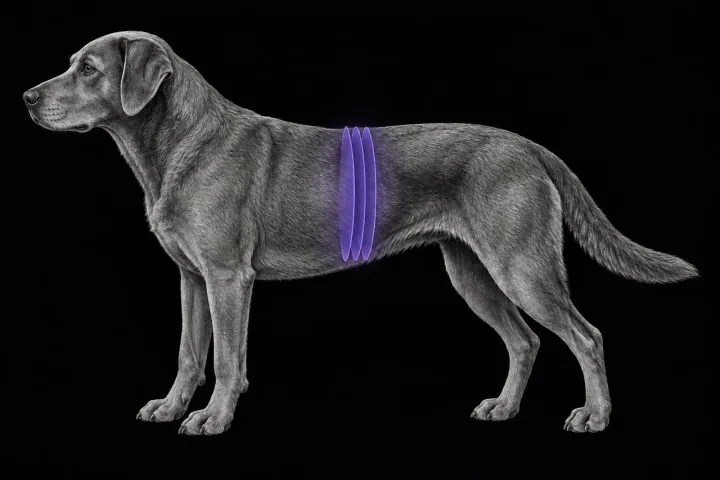
CT angiography of the canine portal vasculature for portosystemic shunts
How CT angiography compares with ultrasound for congenital portosystemic shunts in dogs, how shunts are classified, and what the surgeon needs from the report.